What Causes an AC Unit to Freeze Up And How Serious Is It?
Hot, sticky summers along the Raritan River can push your cooling system hard. If you spot frost on the indoor coil or see ice building on the copper line, your AC is telling you something is off. This guide breaks down why AC units freeze in Piscataway, how serious it can be, and when to bring in One Call Electrical, Heating & Cooling Service Inc for air conditioner repair in Piscataway, NJ.
Why AC Units Freeze In Piscataway’s Climate
Most freeze-ups trace back to two categories: not enough warm air moving across the evaporator coil or the refrigerant inside the system running at the wrong pressure. In our area, humidity spikes after thunderstorms and cool evenings in late spring can magnify both problems.
- Airflow problems like clogged filters, blocked returns, crushed or leaky ducts, or a failing blower reduce heat transfer. Less heat on the coil lets surface temperatures fall below 32°F, so moisture becomes ice.
- Refrigerant issues from a small leak or metering problem drop coil pressure and temperature. The result is the same: ice starts on the fins and spreads onto the suction line.
- Control or mechanical faults, such as a stuck fan relay or an aging blower motor, can leave the coil cold with little or no airflow.
How Serious Is A Frozen AC Coil?
Short answer: serious enough to treat quickly. A frozen AC coil is not just an inconvenience. It points to a condition that can lead to bigger failures.
- Compressor risk. Liquid refrigerant can return to the outdoor unit when the coil is iced, which can damage the compressor.
- Water damage. When the ice finally melts, the drain pan can overflow and stain ceilings or floors.
- Poor indoor air quality. Persistent moisture around an air handler can encourage microbial growth inside the cabinet and nearby ductwork.
Do not chip or pry ice off the coil. The fins are delicate and damage can turn a repair into a replacement.
Common Signs You Might Notice
Freeze-ups do not always look like a solid block of ice. Homeowners around Society Hill and near Rutgers’ Busch and Livingston campuses often report subtle clues first:
- Weak airflow from vents and rooms that never cool
- Visible frost on the large insulated copper line near the air handler
- Gurgling from the condensate line or water around the indoor unit after a cooling cycle
- AC runs constantly yet the thermostat barely drops
If you are seeing these signs, a professional assessment can protect your system before midsummer heat arrives.
Airflow Problems Versus Refrigerant Leaks
Homeowners often ask which is more likely in Middlesex County. Airflow issues are common in older capes, split-levels, and townhomes where long duct runs or uncovered returns restrict air. A refrigerant leak is also possible, especially on aging coils or systems that have seen repeated service for low charge. The right fix starts with the right diagnosis, which includes checking static pressure, blower performance, duct integrity, and refrigerant measurements under load.
What Pros Check During AC Troubleshooting
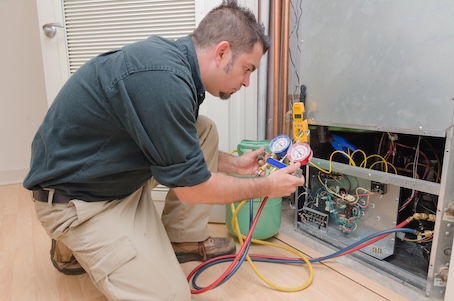
When you schedule HVAC service, technicians use instruments to confirm the cause and stop the cycle of ice and thaw. A thorough visit typically includes:
• Measuring temperature drop and humidity across the coil to confirm true freeze conditions
• Inspecting blower speed, motor amperage, and control signals
• Verifying refrigerant pressures and superheat/subcool under local weather conditions
• Examining condensate drainage and pan float safety
This approach prevents guesswork and protects the compressor, the most expensive part of your system.
Local insight: In Piscataway, freeze-ups spike after cool, humid nights in early June when systems still run long cycles. Avoid running a system that is visibly iced and schedule a licensed technician to inspect it. Never chip ice off a coil.
Why Piscataway Homes See More Freeze-Ups Early In The Season
Early summer is prime time for calls across Piscataway and neighboring Edison. Pollen and construction dust from spring projects restrict filters and returns. Then a stretch of muggy days hits, followed by a cooler night in the 50s. The coil reaches freezing temperature, moisture turns to ice, and cooling capacity drops. Many households notice the problem only when the system runs for hours without catching up.
If your AC seems to run but airflow feels weak or rooms stay clammy, skim this related read from our team: is your ac constantly running but not cooling your home.
Risks Of Letting An Iced System Keep Running
It may be tempting to hope the problem works itself out. That choice can be costly. Ice expands and contracts, stressing the coil and the drain pan. Prolonged freeze conditions can send liquid refrigerant to the compressor, causing internal damage. Water from thawing ice can overflow and damage finishes in basements and first-floor mechanical closets common in Piscataway neighborhoods.
When A Frozen Coil Points To Bigger HVAC Needs
Some freeze-ups reveal issues beyond a quick fix. Examples include undersized or pinched return ducts, an improperly matched coil and condenser, or a coil that has reached the end of its service life. In those cases, your technician will explain options that restore safe operation and better humidity control. If allergies or musty rooms are also a concern, improving filtration and ventilation through targeted air quality services can help your AC maintain proper airflow and reduce freeze risks over time.
What To Expect From Professional Cooling System Repair
With the right testing, your technician will outline a plan that addresses the root cause. The goal is steady comfort on the hottest July afternoons without ice, short cycling, or surprise water issues. Whether the fix involves sealing a return leak, correcting blower speed, repairing a refrigerant leak, or replacing a failing control, the outcome should be a system that cools evenly and handles Piscataway humidity without freezing.
You can protect comfort and equipment by acting when you see the first signs. If your AC is struggling now, schedule cooling system repair before the next heat wave.
Choosing A Local HVAC Partner You Can Trust
Piscataway homes range from 1960s ranches to newer townhomes and student rentals near campus, each with unique duct layouts and load needs. That is why local experience matters. One Call Electrical, Heating & Cooling Service Inc tests, explains, and repairs with your home’s layout and our region’s weather in mind. If you want a quick way to bookmark us for future service, save this number for fast help: 908-769-8200.
For general info, you can also learn more about air conditioning repairs in Piscataway, NJ right from our home base online.
The Bottom Line For A Frozen AC Coil
Ice on the coil is a symptom, not the cause. Airflow restrictions, a refrigerant leak, or a control fault can all push the coil below freezing. The longer it runs iced, the greater the risk to the compressor and your home. A professional diagnosis protects your system, your comfort, and your wallet.
If you suspect a freeze-up today, schedule reliable air conditioner repair in Piscataway, NJ with One Call Electrical, Heating & Cooling Service Inc. Our licensed HVAC team will pinpoint the issue and get your home back to cool, even comfort. Call 908-769-8200 to get started.


